Trauma changes more than memory.
It changes rhythm.
Sleep becomes inconsistent. Energy shifts unpredictably. Ordinary tasks can suddenly feel enormous.
Many people describe PTSD as feeling disconnected from normal routines and from themselves.
That is one reason structure often becomes part of recovery.
Not because routines solve trauma—but because they reduce decision fatigue during difficult periods.
Small Habits Matter More Than Big Plans
People often imagine recovery as dramatic transformation.
In reality, progress frequently looks smaller:
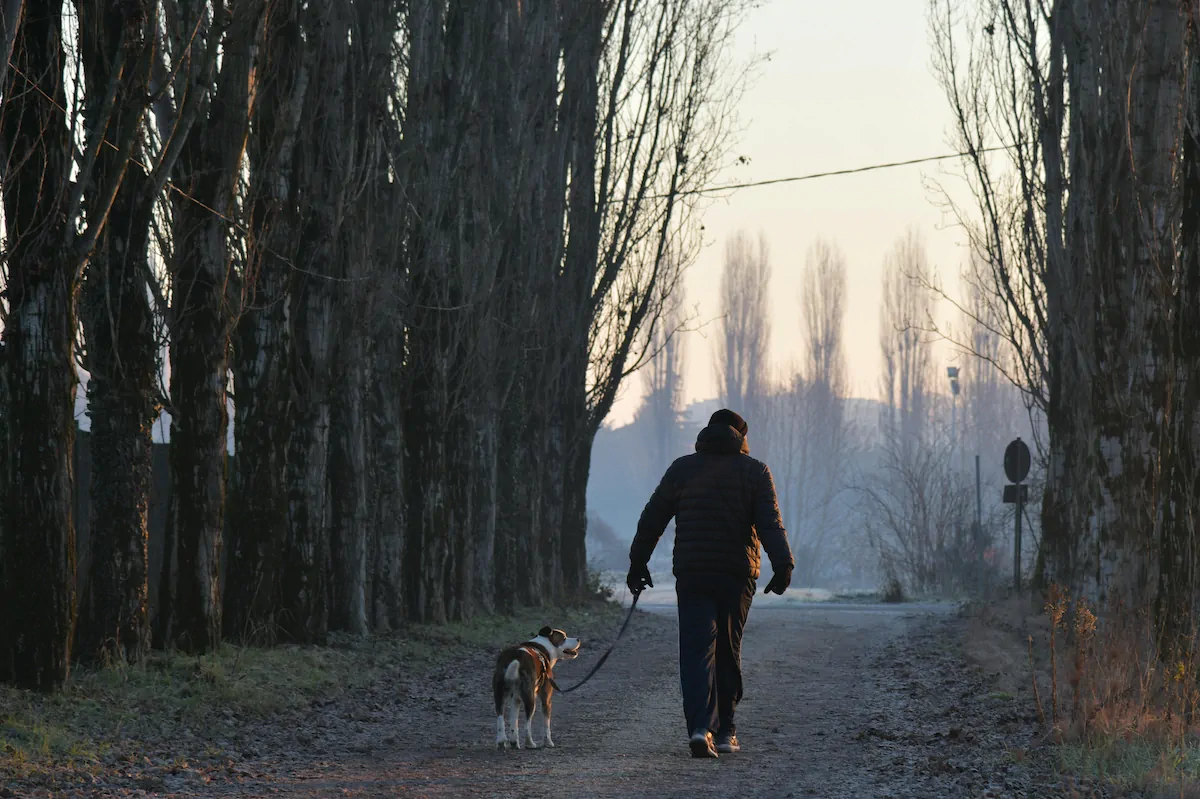
Taking a walk each morning.
Feeding a dog.
Getting outside.Making coffee at the same time every day.
Tiny habits create anchors.
Why Dogs Naturally Support Routine
Dogs operate on consistency.
Meals happen at regular times.
Walks become expected.
Sleep schedules gradually become more structured.
These repeated actions can create gentle accountability without pressure.
Many veterans describe their dogs as reasons to get out of bed on difficult days.
That should never be minimized.
Recovery Is Not Linear
Some days routines break.
Some days energy disappears.
That does not mean progress is gone.
Healing often looks repetitive before it looks dramatic.
Keep showing up.
Small actions repeated consistently often matter more than perfect days.
FAQ
Can routine reduce PTSD symptoms?
Routine itself is not treatment, but predictability can help reduce overwhelm and create emotional structure.
Why do service dogs help establish routine?
Dogs naturally require consistency in feeding, exercise, and care.
Conclusion
Healing rarely arrives all at once.
Sometimes it starts with a leash in your hand, a walk around the block, and one ordinary day repeated enough times that life slowly begins to feel steady again.