Why Veterans With PTSD Often Sleep Poorly — And How Service Dogs Can Help
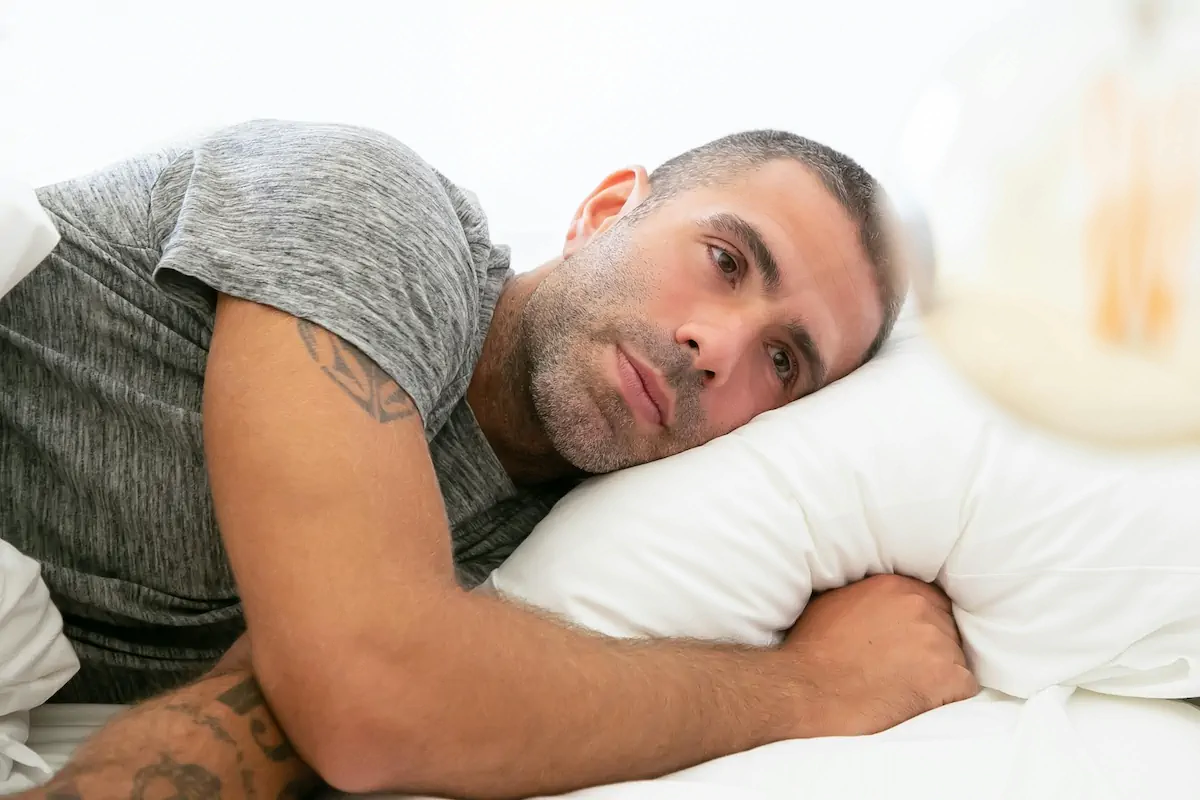
Sleep can become one of the hardest parts of daily life after trauma.
For many veterans living with PTSD, nighttime is when the nervous system feels least safe. The distractions of the day disappear. The mind slows down just enough for intrusive memories, hypervigilance, or anxiety to surface. Some veterans wake repeatedly throughout the night. Others avoid sleep altogether because nightmares feel more exhausting than staying awake.
Over time, poor sleep affects nearly everything else — mood, focus, physical health, relationships, emotional regulation, and recovery.
Psychiatric service dogs cannot erase trauma, but they can become an important part of helping veterans feel safer, more grounded, and less alone at night.
Why PTSD Often Causes Sleep Problems
PTSD changes the way the brain responds to perceived danger.
Even when someone is physically safe, the nervous system may remain stuck in a heightened state of alertness. This can make it difficult to fully relax enough for restorative sleep.
Common sleep-related PTSD symptoms include:
- Frequent nightmares
- Trouble falling asleep
- Waking suddenly during the night
- Hypervigilance to sounds or movement
- Night sweats or panic episodes
- Fear of sleeping deeply
- Daytime exhaustion from interrupted sleep
Veterans may also experience anxiety around bedtime itself. Some individuals intentionally stay awake late because sleep feels unpredictable or unsafe.
Over months or years, chronic sleep disruption can contribute to depression, irritability, memory problems, increased stress hormones, and worsening PTSD symptoms.
How Psychiatric Service Dogs Help During the Night
A well-trained psychiatric service dog performs specific tasks designed to support a person living with a disability.
For veterans with PTSD, nighttime tasks can make a meaningful difference.
Nightmare Interruption
Some service dogs are trained to recognize physical signs of distress during nightmares, such as movement, vocalizations, elevated breathing, or agitation.
The dog may respond by nudging, pawing, licking, or applying body pressure to help interrupt the episode and bring the handler back to the present moment.
Many veterans describe this interruption as helping them recover faster from panic or disorientation after waking.
Creating a Sense of Safety
Hypervigilance can make sleep feel impossible.
A service dog’s presence may help reduce the constant feeling of needing to stay alert. Veterans often report sleeping more deeply when their dog is nearby because they trust the dog to notice unusual sounds or changes in the environment.
That sense of shared awareness can help lower stress levels enough for the nervous system to relax.
Deep Pressure Therapy
Some psychiatric service dogs are trained in deep pressure therapy, where the dog applies calming weight across the handler’s lap, chest, or body.
This pressure can help regulate breathing, reduce panic symptoms, and provide grounding during nighttime anxiety.
Reorienting After Panic Episodes
After waking from a nightmare or panic attack, some veterans feel emotionally disconnected or disoriented.
A trained service dog may help redirect focus through physical contact, task interruption, or guided routines that bring attention back to the present environment.
The Emotional Impact of Not Facing the Night Alone
One of the most important benefits of a service dog is difficult to measure clinically.
Trauma can create profound isolation.
Many veterans describe nighttime as the loneliest part of the day. Having a service dog nearby can provide emotional reassurance, consistency, companionship, and structure.
That bond matters.
Recovery often happens in small moments of safety repeated over time.
Service Dogs Are Part of a Larger Recovery Plan
Psychiatric service dogs work best as part of a broader support system.
Veterans may also benefit from:
- Trauma-informed therapy
- Sleep hygiene improvements
- Medication management when appropriate
- Peer support groups
- Exercise and physical activity
- Stress reduction practices
- Consistent routines
A service dog is not a replacement for treatment, but many veterans find that a dog helps them engage more consistently with recovery.
What Tasks Can PTSD Service Dogs Perform?
Depending on training and individual needs, psychiatric service dogs may perform tasks such as:
- Nightmare interruption
- Anxiety alerting
- Deep pressure therapy
- Room checks
- Medication reminders
- Guiding handlers out of overwhelming environments
- Interrupting panic behaviors
- Creating physical space in crowded areas
Every handler’s needs are different, which is why individualized training matters.
FAQ
Can service dogs stop PTSD nightmares?
Service dogs cannot prevent PTSD entirely, but some dogs are trained to interrupt nightmares and provide grounding during nighttime distress.
Do veterans with PTSD qualify for a service dog?
Some veterans with PTSD may qualify for a psychiatric service dog if their condition substantially affects daily functioning and the dog is trained to perform specific disability-related tasks.
How long does PTSD service dog training take?
Training timelines vary depending on the organization, the dog, and the tasks required. Many programs involve extensive obedience, public access, and task-specific training.
Are emotional support animals the same as psychiatric service dogs?
No. Psychiatric service dogs are specifically trained to perform disability-related tasks and receive different legal protections under the ADA.